























Prompt Detail
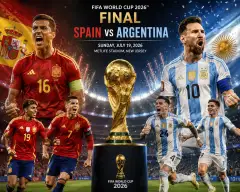
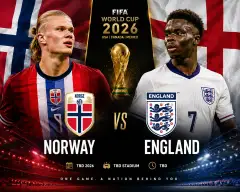
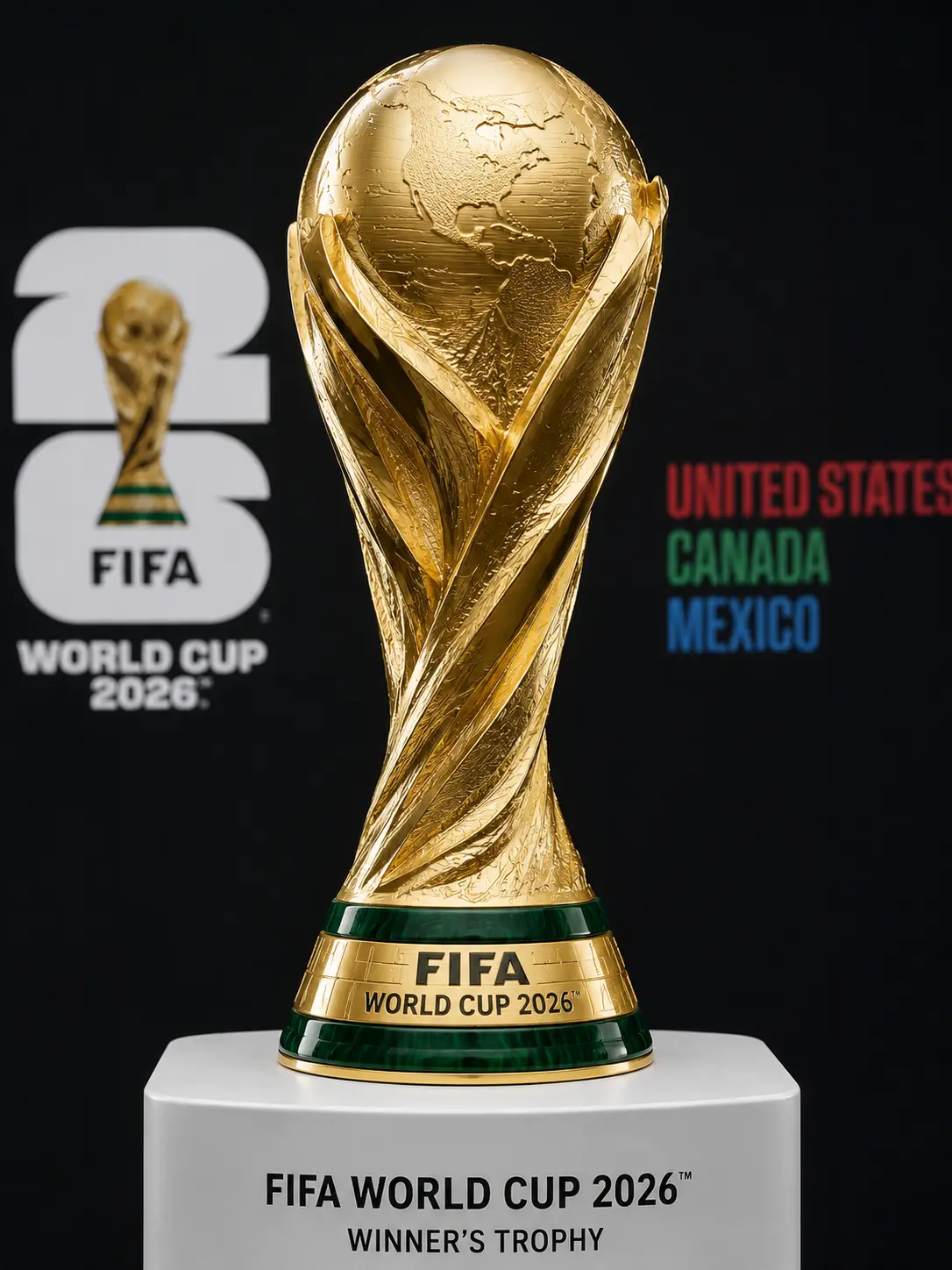
Photorealistic FIFA World Cup 2026 Winner's Trophy in Studio
Copy Prompt
Copy the full prompt text to use it anywhere you like.
Copy was blocked by your browser. Select the prompt text below and copy it manually.
Choose image aspect ratio
Selected:Original keeps the saved wording. Choosing a ratio edits the copied text; also set the output size in your image tool.
Copy was blocked by your browser. Select the prompt text below and copy it manually.
Prompt guide
How to use this AI image prompt
Overview
This prompt is designed to create a premium, photorealistic studio portrait of a 2026 world football championship trophy. The trophy stands alone on a white presentation pedestal, framed vertically against a deep black background. Polished gold, emerald-green details, cinematic contrast, and carefully controlled exhibition lighting give the result the look of a luxury sports advertisement.
Unlike a typical Football Superstar Poster Prompt, this concept focuses entirely on the trophy rather than a player, team, or crowd. The slightly low, front-facing viewpoint helps the object appear monumental while preserving a balanced, symmetrical product-photography composition. An 85mm lens character, shallow background blur, and precise focus support realistic proportions and clear surface detail.
The prompt can work as a ChatGPT image prompt, Gemini image prompt, or general AI image prompt for users creating championship posters, social graphics, presentation covers, and celebratory sports artwork. It also establishes important restrictions: no people, readable text, sponsor branding, official logos, watermarks, or extra trophies should appear.
Best Use Cases
This prompt is especially useful for sports designers, football content creators, event marketers, poster artists, and social media managers who need a dramatic trophy visual without relying on player likenesses. Its vertical 9:16 format is well suited to Stories, Reels covers, Shorts thumbnails, mobile wallpapers, digital signage, and tall promotional posters.
The isolated subject and restrained background also make the composition practical for editorial layouts. Designers can reserve space around the trophy for separately added headlines or event information instead of asking the image model to generate accurate typography.
As a Gemini photo prompt, it is a strong starting point for exploring realistic gold materials, controlled reflections, studio lighting, and premium advertising aesthetics. It can also function as an AI photo editing prompt when restyling an existing trophy reference into a cleaner studio presentation, provided no person is introduced or altered.
How to Customize This Prompt
Adjust one variable at a time so that the core geometry, lighting, and material quality remain consistent. Useful customizations include:
- Change the background accent colors to match a campaign palette while keeping them soft, abstract, and out of focus.
- Increase empty space above or beside the trophy when the final design needs room for separately added copy.
- Replace the matte-white pedestal with black stone, dark green marble, or a brushed-metal platform for a different luxury finish.
- Request warmer gold grading for a celebratory look or more neutral metallic color for editorial realism.
- Reduce the background graphics for a minimalist product photograph, or strengthen the atmospheric glow for a more cinematic sports poster.
- Adapt the framing to 4:5 for feed posts or 1:1 for square artwork while retaining the upright, centered trophy.
For a cleaner FIFA trophy photo prompt result, keep the globe, twisting supports, circular base, and pedestal explicitly visible. If a reference is supplied, use it only to guide object structure, materials, or composition. The scene is intentionally object-focused and should not include a human subject.
Tips for Better Results
Metallic trophies can be difficult for image models because curved gold surfaces require coherent reflections and stable geometry. These practices can improve reliability:
- Generate several variations and compare the globe shape, continental engraving, support structure, and base alignment before selecting a result.
- Keep symmetry instructions prominent. Reject versions with a tilted globe, melted supports, an unstable base, or a trophy that appears to float.
- Preserve highlight detail by requesting controlled specular reflections rather than simply asking for maximum brightness.
- Use high-resolution generation or an upscale pass only after the main shape is correct. Upscaling cannot reliably repair distorted geometry.
- Inspect the white pedestal for bent edges, unwanted texture, and inconsistent contact shadows.
- Check the background for accidental words, logos, signatures, duplicate objects, or recognizable sponsor marks.
- If the model produces a busy scene, simplify the background description and reinforce that the trophy is the only central subject.
For either a ChatGPT image prompt or Gemini image prompt workflow, small iterative changes are usually more effective than rewriting every detail. Model interpretation varies, so exact engraving patterns, reflections, and abstract 2026-style graphics may require multiple attempts.
What to Expect
A successful result should resemble professional advertising photography: a sharply rendered golden championship trophy, upright and centered on a softly edged white pedestal, with rich black surroundings and restrained emerald accents. The upper globe should carry a gentle glow, while directional key, fill, and rim lighting reveal the twisting structure without clipping the highlights.
The background should remain secondary, with blurred numeral-inspired forms and subtle red, green, and blue accents creating event atmosphere without readable branding. Expect a prestigious, victorious mood rather than an action scene.
Different models may vary in continental engraving accuracy, trophy proportions, metallic reflections, and depth-of-field behavior. The strongest outputs will maintain believable weight, clean contact shadows, straight vertical lines, realistic gold texture, and a stable circular base. Final typography and official campaign elements are best added separately in a design application after generating the clean trophy artwork.