











Prompt Detail
Photorealistic Fragrance Campaign with Male Model in Rain
Copy Prompt
Copy the full prompt text to use it anywhere you like.
Copy was blocked by your browser. Select the prompt text below and copy it manually.
Choose image aspect ratio
Selected:Original keeps the saved wording. Choosing a ratio edits the copied text; also set the output size in your image tool.
Copy was blocked by your browser. Select the prompt text below and copy it manually.
Prompt guide
How to use this AI image prompt
Overview
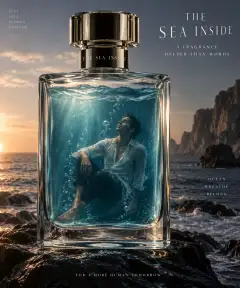
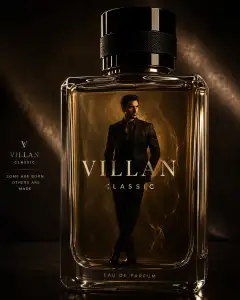
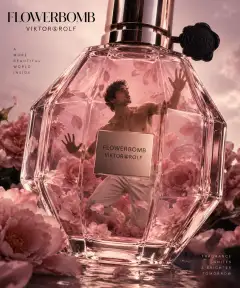
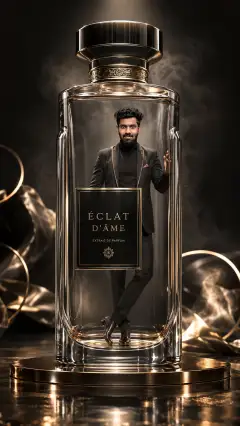
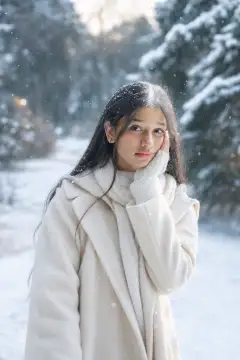
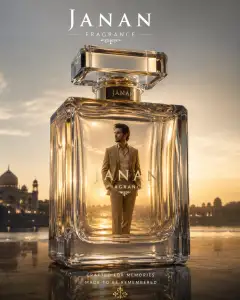
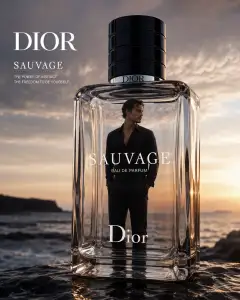
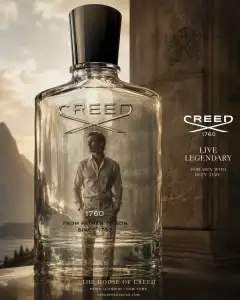
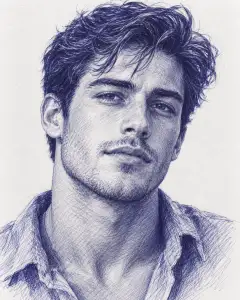
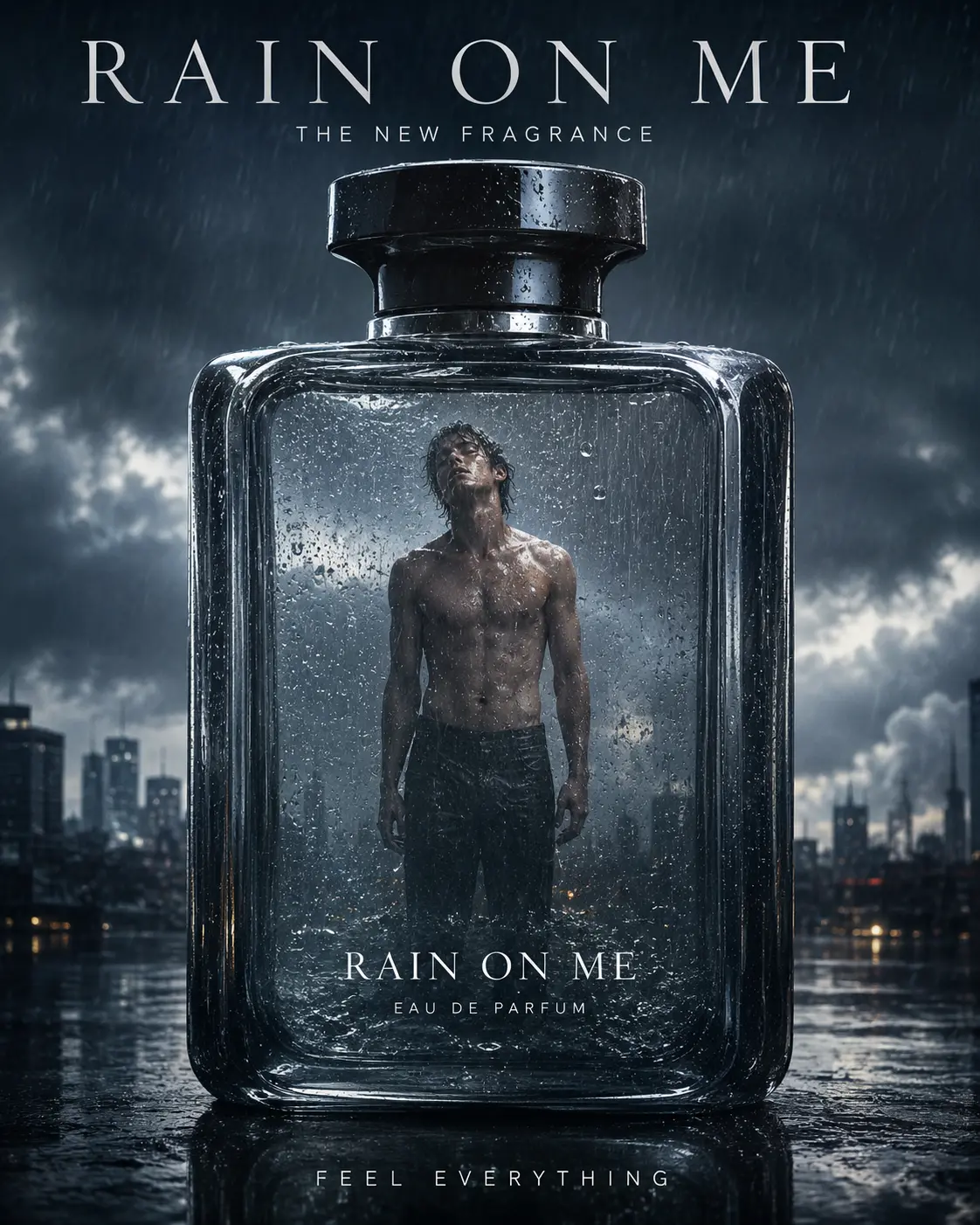
This premium AI image prompt creates a photorealistic fragrance campaign featuring a single adult male model standing inside a monumental transparent perfume bottle during a rooftop rainstorm. The central, symmetrical composition combines luxury advertising, cinematic atmosphere, realistic wet textures, and a restrained masculine color palette. A supplied reference portrait guides the model’s facial identity, hairstyle, skin tone, age range, and distinctive features.
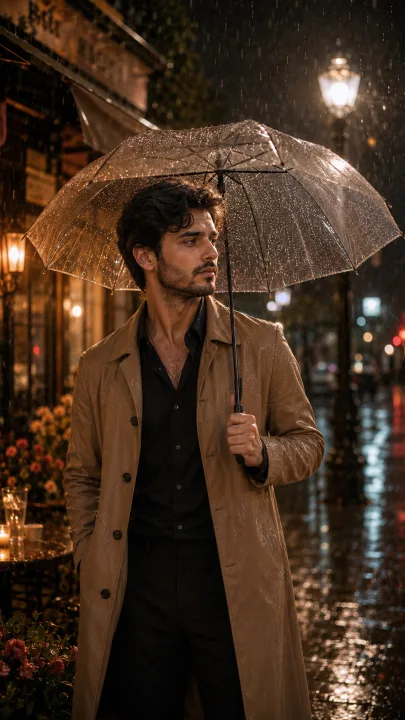
The concept is designed around vulnerability, renewal, and emotional release. The model’s upward gaze, rain-soaked appearance, and relaxed full-body pose give the scene an editorial quality rather than a conventional product shot. Thick glass, condensation, reflections, shallow water, storm clouds, and distant city lights add visual depth while keeping the person and bottle as the focal points.
This can work as a ChatGPT image prompt, Gemini image prompt, or general AI image prompt for models that support reference images and detailed portrait generation. It is especially useful when you need a vertical, high-fashion perfume visual with realistic anatomy, sophisticated lighting, and commercial campaign styling.
Best Use Cases
Use this prompt for fictional fragrance advertising, luxury perfume mood boards, fashion-editorial concepts, portfolio pieces, campaign pitches, and vertical social media artwork. Its 9:16 framing is well suited to mobile posters, story-style placements, concept reels, digital displays, and presentation covers.
Creative directors and designers can use it to explore a masculine perfume campaign before organizing a physical production. Photographers may find it useful for previsualizing lighting, camera height, posing, reflective surfaces, and rain effects. Stylists can test how bare skin, tailored black trousers, wet hair, and a minimal accessory-free look work together.
It also functions as a detailed Gemini photo prompt for identity-guided portrait concepts. As an AI photo editing prompt, it is most appropriate for transforming an authorized reference portrait into a new cinematic setting while retaining recognizable facial characteristics.
How to Customize This Prompt
The original direction is deliberately specific, but several details can be adjusted without weakening the core fragrance-campaign concept:
- Change the emotional tone by requesting a more defiant, contemplative, serene, or mysterious expression while preserving the relaxed posture.
- Adjust the storm intensity, from fine blue-hour drizzle to forceful diagonal rain with denser mist and darker thunderclouds.
- Modify the palette with colder cobalt tones, nearly monochrome graphite, or slightly stronger amber reflections from the city.
- Refine the trousers by specifying a straight, slim, or softly draped tailored fit, while keeping the dark rain-soaked fabric natural.
- Alter the camera character with a slightly wider editorial perspective for more environment or a tighter crop for stronger facial emphasis. Retain full-body framing if the bottle scale is important.
- Increase or reduce condensation according to facial clarity. Heavy droplets create drama, but the eyes, nose, mouth, and jawline should remain readable.
When adapting this into another Gemini image prompt or ChatGPT image prompt, keep identity instructions near the beginning. Place composition, environment, lighting, and finish afterward so the system can interpret the priorities clearly.
Tips for Better Results
Start with a clear, well-lit reference image showing the adult subject’s face without heavy filters or obstructions. A frontal or slightly turned portrait generally provides more usable information about facial structure, skin texture, hair, and distinctive characteristics.
- Generate the composition first, then inspect facial resemblance, hand anatomy, bottle geometry, and reflections before refining minor details.
- If the face becomes distorted by the glass, reduce refraction around the head while retaining stronger optical effects near the bottle edges.
- Ask for clearly separated fingers and relaxed hands if the model repeatedly produces fused or malformed anatomy.
- Keep the cap, bottle base, and full figure inside the frame. Some systems may crop these elements despite the vertical format.
- Reduce excessive glow or beauty retouching if the skin appears plastic. Preserve pores, wet highlights, fine facial detail, and believable body definition.
- If reflections are inconsistent, simplify the skyline and request one dominant rooftop reflection directly beneath the bottle.
- Use moderate depth of field rather than extreme background blur. The face, torso, front glass, and key raindrops should remain crisp.
Different generators interpret long instructions differently. If necessary, split the workflow into an initial scene generation followed by targeted refinements for identity, hands, glass, rain, and reflections. This approach is often more reliable than repeatedly changing the entire AI image prompt.
What to Expect
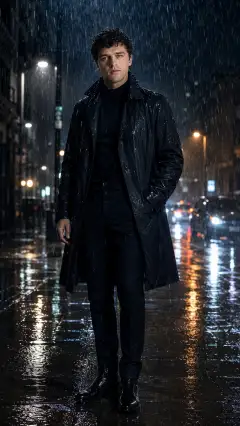
A strong result should resemble a polished luxury fragrance advertisement: one recognizable male subject, a towering glass bottle, dramatic rain, cool storm lighting, and a subdued modern skyline. Expect rich midnight-blue and graphite tones, silver rim light around wet hair and shoulders, warm city accents, and realistic specular highlights across skin, glass, water, and the glossy black cap.
The most challenging details are likely to be facial consistency through glass, accurate hands, believable bottle thickness, and physically coherent reflections. Results will vary by model and reference-image support, so some refinement may be required. When rendered successfully, the final image should feel cinematic, monumental, emotionally expressive, and commercially finished without typography, labels, logos, borders, or watermarks.