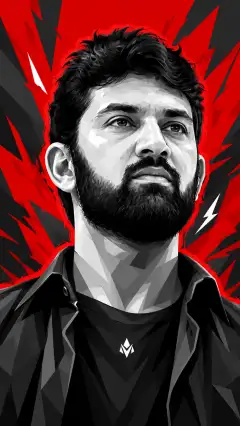
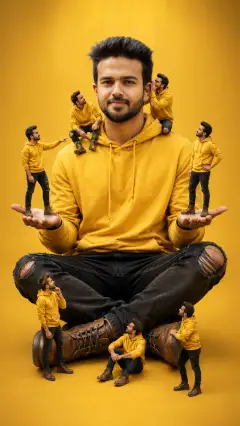
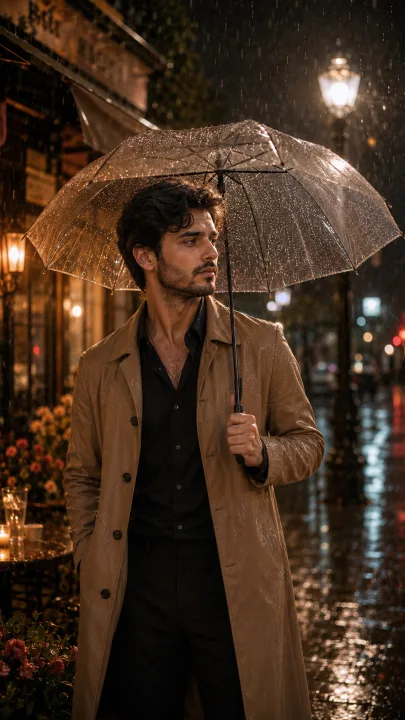
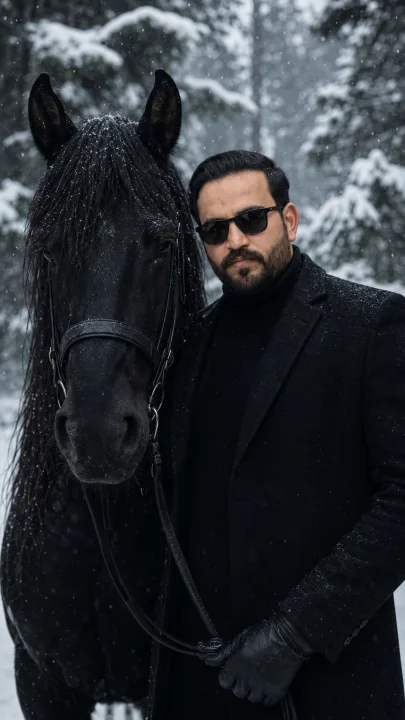









Prompt Detail
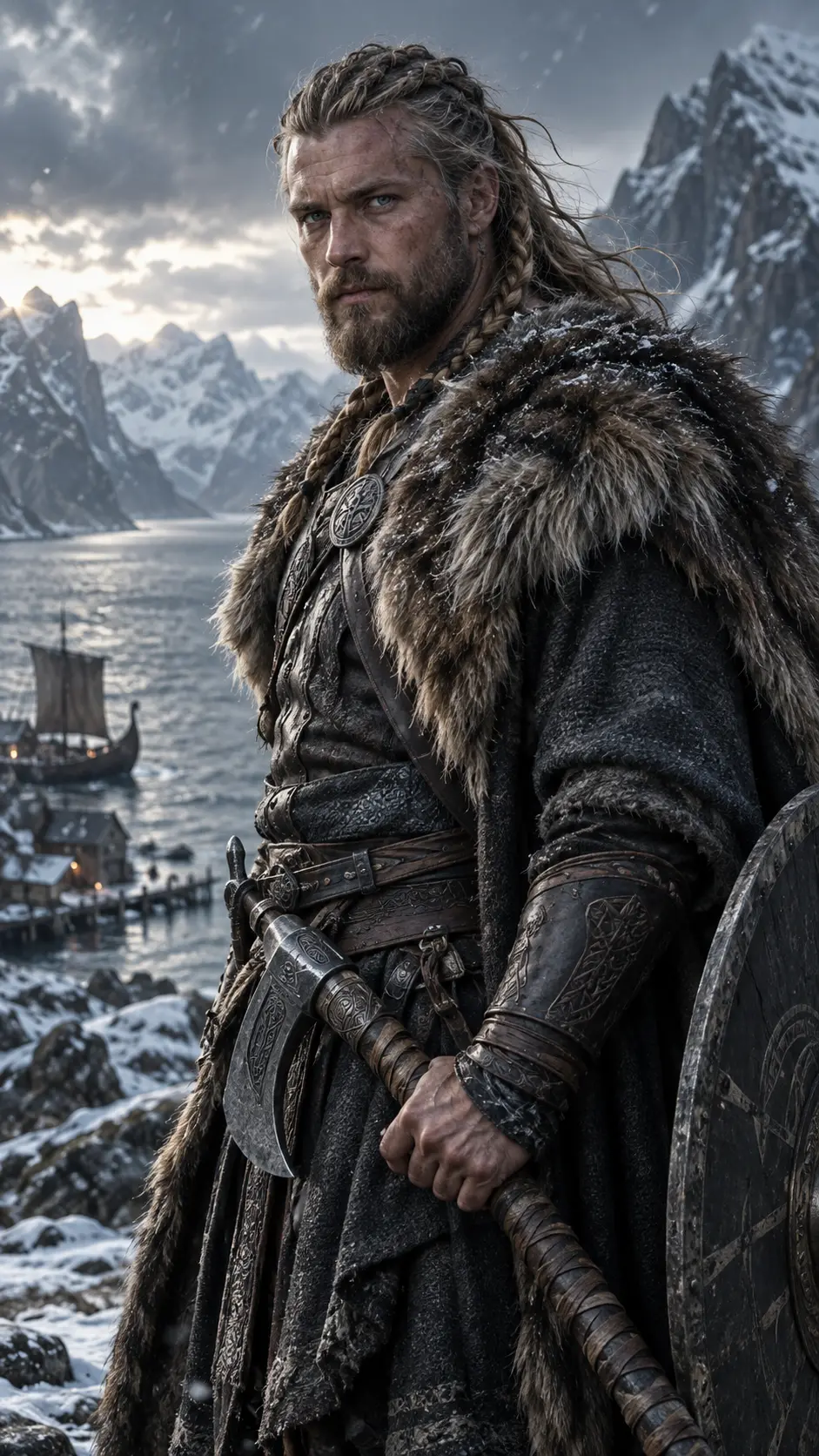
Photorealistic Nordic Viking Warrior Portrait with Authentic Armor and Weapon
Copy Prompt
Copy the full prompt text to use it anywhere you like.
Copy was blocked by your browser. Select the prompt text below and copy it manually.
Choose image aspect ratio
Selected:Original keeps the saved wording. Choosing a ratio edits the copied text; also set the output size in your image tool.
Copy was blocked by your browser. Select the prompt text below and copy it manually.
Prompt guide
How to use this AI image prompt
Overview
This prompt creates a hyperreal cinematic portrait of an adult male reimagined as a powerful Scandinavian Viking warrior. It combines identity preservation with rugged Nordic clothing, realistic weapons, a frozen fjord, distant mountains, falling snow, and restrained cinematic lighting. The intended result is a premium vertical film still rather than an exaggerated fantasy illustration.
Identity accuracy is central to the concept. The uploaded reference should guide facial structure, skin tone, age range, hairstyle, and distinctive features, while Viking-inspired details are added around the recognizable person. The prompt also prioritizes believable anatomy, natural skin texture, practical weapon handling, and authentic-looking materials such as wool, fur, leather, aged steel, and weathered wood.
This can be used as a ChatGPT image prompt, Gemini image prompt, or general AI image prompt for tools that support reference images. It is especially useful when a simple portrait request produces generic faces, flat lighting, plastic skin, or overly theatrical fantasy armor.
Best Use Cases
This prompt is ideal for adult users who want a personalized Nordic warrior portrait for creative profile art, character concepts, cinematic posters, social media content, or private commemorative artwork. Its 9:16 framing is particularly suitable for phone wallpapers, vertical covers, Stories, Reels, and poster-style compositions.
Portrait photographers and visual creators can also use it as an AI photo editing prompt to explore a dramatic historical-inspired treatment while retaining the subject’s recognizable appearance. As a Gemini photo prompt, it offers detailed direction for balancing the face, costume, weapon, and environment without allowing background elements to compete with the main subject.
The concept works best with a clear adult male reference photo showing the face at eye level. It is less suitable when the source face is heavily obscured, extremely small, blurred, or covered by strong filters.
How to Customize This Prompt
Adapt a few controlled details instead of rewriting the entire concept. This helps preserve the carefully defined cinematic hierarchy.
- Adjust framing from nearly full-body to waist-up if facial resemblance matters more than the axe, shield, and clothing layers.
- Change the lens character within the suggested 50–85mm range. A result near 85mm generally feels more portrait-focused, while 50mm provides more environmental context.
- Increase or reduce the beard according to the reference. If facial hair would significantly change the person’s identity, request light stubble or no added beard.
- Modify braid intensity while keeping the original hairline and texture recognizable. Loose, limited braids usually appear more natural than a complete hairstyle replacement.
- Emphasize either the frozen fjord, mountain skyline, settlement, or longship, but keep only one secondary feature prominent.
- Adjust snowfall from sparse flakes to a stronger winter atmosphere without hiding the eyes or facial features.
- Replace “heroic” with “somber,” “watchful,” or “battle-worn” to fine-tune the mood while retaining the calm direct gaze.
For a closer portrait, remove the nearly full-body requirement and ask for chest-up framing. For a poster treatment, reserve clean negative space near the upper background, while still excluding generated text and logos.
Tips for Better Results
Use a sharp, evenly exposed reference with visible eyes, natural skin texture, and minimal lens distortion. A front-facing or three-quarter source usually provides stronger identity guidance than a profile image. Avoid references with beauty filters because the model may reproduce softened skin or altered facial proportions.
- Generate several variations before changing the wording. Reference-based likeness, fingers, weapon grips, and small costume details can vary between runs.
- Inspect the eyes, jawline, hairline, hands, axe handle, and shield edge at full resolution before selecting a result.
- If the face becomes generic, strengthen the instruction to prioritize identity over costume and scenery. Reducing environmental complexity may also help.
- If the scene looks like fantasy art, reinforce realistic historical inspiration, practical clothing construction, restrained ornament, and natural body proportions.
- If snow appears pasted on, request irregular accumulation, melting flakes near warm skin, and physically believable contact with fur and fabric.
- If the background is too sharp, increase atmospheric separation and depth of field while keeping the eyes critically focused.
- Use an enhancement or second editing pass only after choosing the strongest composition. Over-processing can create waxy skin, halos, excessive HDR, or invented engravings.
Different generators interpret negative instructions and reference strength differently. Keep the core Gemini image prompt or ChatGPT image prompt intact, then make one change per iteration so you can identify what improves the result.
What to Expect
A successful result should show one recognizable adult male dominating a cold, vertical Nordic scene. Expect sharp facial detail, direct eye contact, layered charcoal and brown clothing, subtle rim light, visible snow and frost, and realistic material wear. The fjord, settlement, longship, and mountains should remain atmospheric supporting elements rather than separate focal points.
The overall palette should lean toward icy blue-gray, slate, dark leather, muted steel, and natural fur, with small amber lights adding contrast in the distance. Results may differ by model, especially in facial resemblance, historical detail, hands, weapon geometry, and engraved patterns. Even strong models may require multiple generations or localized corrections. The best output will feel like a professionally graded film still: solitary, ancient, powerful, and grounded rather than cartoonish or excessively fantastical.