






Prompt Detail
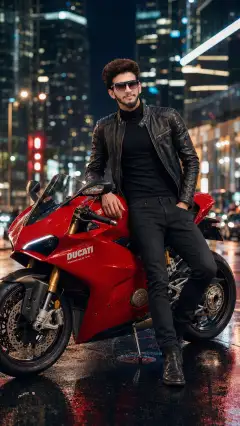
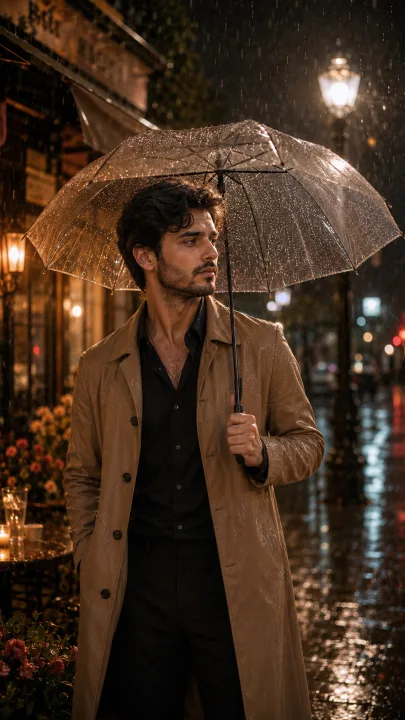
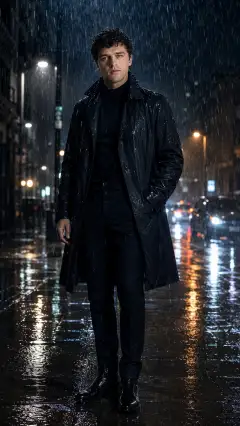
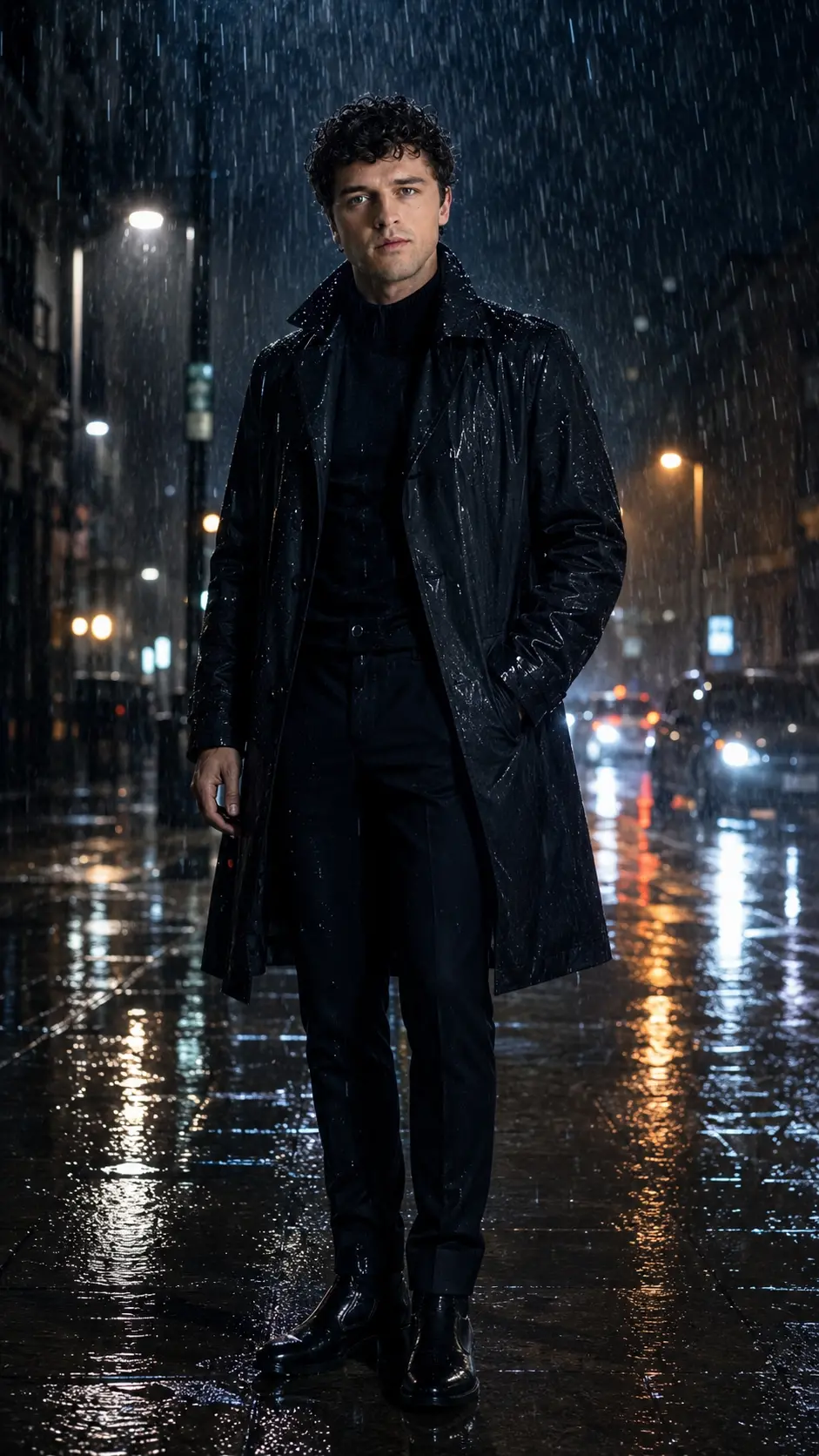
Cinematic Portrait of Man in Rainy Urban Night Scene
Copy Prompt
Copy the full prompt text to use it anywhere you like.
Copy was blocked by your browser. Select the prompt text below and copy it manually.
Choose image aspect ratio
Selected:Original keeps the saved wording. Choosing a ratio edits the copied text; also set the output size in your image tool.
Copy was blocked by your browser. Select the prompt text below and copy it manually.
Prompt guide
How to use this AI image prompt
Overview
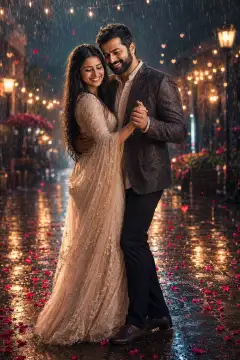
Cinematic Portrait of Man in Rainy Urban Night Scene is a detailed AI image prompt for transforming an uploaded portrait into an atmospheric 9:16 movie-style composition. It places the person in a rain-soaked city environment while prioritizing recognizable facial structure, skin tone, hairstyle, age, and natural identity. The intended result combines a sharp, realistic face with heavy rain, wet pavement, reflected lights, mist, bokeh, and dramatic urban depth.
This prompt is especially useful when a basic portrait needs stronger emotion and visual storytelling. Rather than requesting a generic rainy background, it explains how water should interact with the subject, clothing, hair, road, and lighting. It also directs the model toward realistic anatomy, premium wardrobe styling, shallow depth of field, and movie-poster quality.
It can be used as a ChatGPT image prompt, Gemini image prompt, or broader AI image prompt where reference-image editing is supported. It also works as an AI photo editing prompt for users who want to preserve the person while changing the setting, clothing, mood, and cinematic presentation.
Best Use Cases
This prompt is well suited to dramatic men’s portraits, vertical social media artwork, character posters, profile images, fictional movie stills, and urban editorial concepts. The 9:16 composition makes it particularly practical for phone wallpapers, Stories, Reels covers, Shorts artwork, and full-screen promotional visuals.
Portrait photographers and content creators can use it to explore rainy night concepts before arranging a physical shoot. Designers can adapt it for a serious protagonist, mysterious urban character, or emotionally reflective poster. It is also useful for personal portraits when the goal is a bold transformation without intentionally changing the subject into someone else.
As a Gemini photo prompt, it provides substantial direction about identity, atmosphere, pose, wardrobe, and lighting. That detail can reduce generic results and help the model understand that the person—not the rain or neon background—must remain the visual focus.
How to Customize This Prompt
The scene can be personalized without removing its core identity-preservation instructions. Change only a few variables per generation so that you can identify which wording improves the result.
- Choose one location, such as a neon-lit downtown street, empty road, rooftop, urban alley, or open street under a single streetlight.
- Select one clear action: standing still, walking slowly, looking into the distance, turning slightly toward the camera, or keeping one hand in a pocket.
- Define the emotional direction with a serious stare, thoughtful silence, bold eye contact, or a mysterious downward gaze.
- Specify a wardrobe combination, such as a dark trench coat over a turtleneck, a leather jacket with dark jeans, or a hoodie layered under a rain-soaked jacket.
- Adjust the color treatment by favoring cool blue-grey rain, warm streetlights, white backlighting, or restrained neon highlights.
- Add a framing preference such as full body, three-quarter portrait, waist-up composition, or close cinematic portrait while retaining the vertical ratio.
For a more grounded result, limit the number of competing lights and background elements. For a more dramatic poster, emphasize rim light, glowing rain, fog, headlights, and reflective pavement while keeping the face clearly exposed.
Tips for Better Results
Use a clear uploaded photo with the face visible, natural proportions, and enough detail around the hairline and jaw. Heavy blur, strong beauty filters, extreme angles, or deep facial shadows may give the model less reliable identity information.
- Keep the instruction that the upload is the only identity reference, especially when facial consistency matters.
- Ask for sharp facial focus and realistic skin texture if the rain, fog, or backlight begins to soften the face too much.
- Use one pose at a time rather than leaving several alternatives in the final request.
- Match the crop to the reference when possible. A head-and-shoulders source may be less dependable for full-body anatomy than a photo showing more of the subject.
- If hands are visible, choose a simple pose such as one hand in a pocket and request natural fingers and relaxed arms.
- Reduce neon intensity if skin tones become unnatural or reflections appear artificial.
- Reinforce wet fabric texture, droplets, puddles, and grounded shadows when the rain looks pasted onto the frame.
- Generate variations and refine the strongest version rather than expecting every model to interpret cinematic language in exactly the same way.
When using this as a ChatGPT image prompt or Gemini photo prompt, preserve the negative guidance about extra limbs, distorted anatomy, fake reflections, text, and watermarks. These constraints are especially helpful in a complex night scene containing rain streaks, moving lights, and reflective surfaces.
What to Expect
A successful result should resemble a high-end movie still: a recognizable man standing or walking naturally in heavy rain, with detailed wet hair, believable droplets, dark premium clothing, and an emotionally controlled expression. The face should remain sharp while streetlights, headlights, neon reflections, mist, and urban structures fall into a softer background.
Results will vary by model, reference quality, and image-editing capabilities. Some systems may prioritize atmosphere over identity, while others may simplify rain, clothing texture, hands, or reflections. Small revisions to pose, crop, lighting, and location usually work better than adding more unrelated details. The strongest output should balance realism and drama without becoming cartoonish, excessively beautified, or visually overloaded.