





Prompt Detail
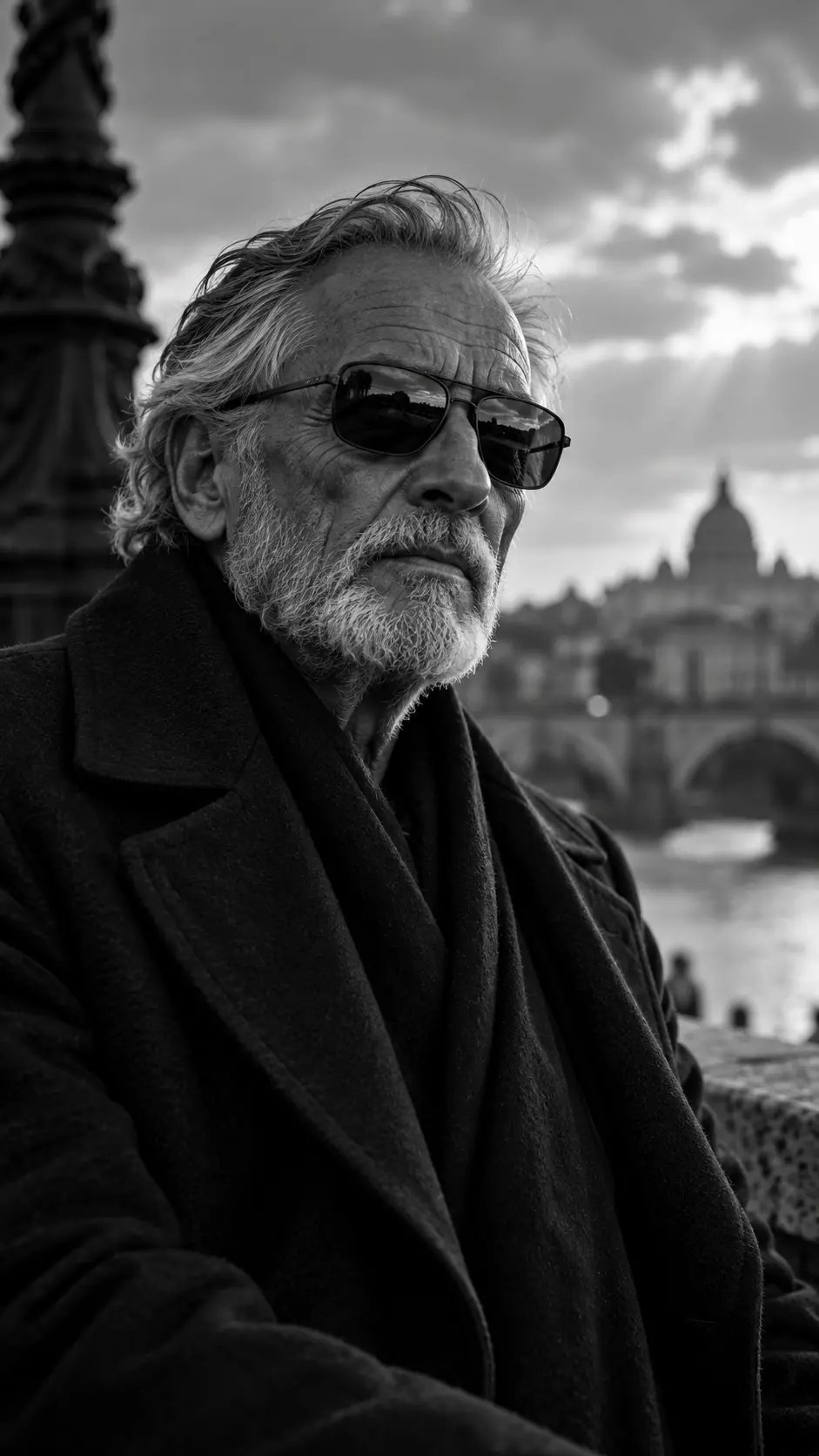
Black and White Cinematic Portrait of Sophisticated Elderly Man
Copy Prompt
Copy the full prompt text to use it anywhere you like.
Copy was blocked by your browser. Select the prompt text below and copy it manually.
Choose image aspect ratio
Selected:Original keeps the saved wording. Choosing a ratio edits the copied text; also set the output size in your image tool.
Copy was blocked by your browser. Select the prompt text below and copy it manually.
Prompt guide
How to use this AI image prompt
Overview
This cinematic portrait prompt is designed to transform an uploaded identity reference into a sophisticated black-and-white editorial photograph of an elderly man. It prioritizes recognizable facial structure, age, skin tone, hairstyle, and distinctive features instead of replacing the subject with a generic model. The result is intended to feel mature, stoic, and emotionally reflective.
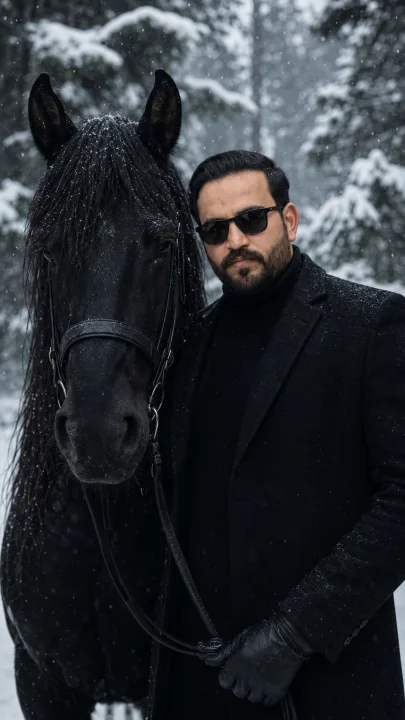
The visual concept combines a historic European-style riverside promenade, reflective sunglasses, winter clothing, dramatic clouds, and classic architectural elements. An 85mm portrait-lens look, shallow depth of field, directional lighting, and fine-art monochrome grading create the appearance of premium street photography.
This can work as a ChatGPT image prompt, Gemini image prompt, or adaptable AI image prompt for tools that support reference-image generation. It is especially useful when identity preservation, realistic aging details, believable reflections, and strong subject-background separation matter.
Best Use Cases
This prompt is well suited to personal portraits, mature fashion editorials, cinematic profile images, commemorative artwork, character studies, and sophisticated social media content. It can also create dramatic poster-style visuals where the person should remain the clear focal point without relying on text or graphic overlays.
Photographers and designers can use it as an AI photo editing prompt to explore a new location, wardrobe, lighting treatment, or monochrome finish while retaining the reference subject’s recognizable appearance. It is also useful for creators seeking an elderly man portrait prompt with natural wrinkles, beard detail, textured hair, and an authentic sense of age.
The vertical 9:16 format makes the concept suitable for mobile-first artwork, story posts, reels covers, and tall editorial layouts. Its restrained composition also supports fine-art printing when generated at sufficient resolution.
How to Customize This Prompt
Adjust only a few variables at a time so the model retains the intended identity, lighting, and cinematic coherence.
- Change the pose from standing to leaning against the promenade railing, but keep the chest-up or three-quarter framing for a strong portrait.
- Select either aviator or rectangular sunglasses. If lens reflections become inconsistent, simplify them to a bridge, cloudy sky, and water highlights.
- Make the coat more formal or rugged by changing its lapel width, wool texture, or scarf arrangement while retaining dark tonal separation.
- Shift the expression from serious to quietly hopeful, contemplative, or resolute without requesting major facial changes.
- Adjust the architecture toward a more classical, old-city, or riverfront atmosphere while preserving the bridge, water, domed building, and ornamental lamp as supporting details.
- For a more intense Gemini photo prompt, increase the rim light and cloud contrast. For a softer editorial result, request gentler highlights and more open facial shadows.
Keep the identity-preservation instructions near the beginning. If a platform offers reference strength or image guidance controls, use a moderate-to-high setting and test incrementally rather than maximizing every control.
Tips for Better Results
Use a clear reference with the face visible, natural proportions, and enough resolution to show eyes, wrinkles, hair texture, and facial-hair patterns. A reference taken near eye level usually supports the requested portrait perspective more reliably than a strongly angled photograph.
- Generate several variations before changing the wording. Small differences in face shape, glasses, and lighting are common between outputs.
- Inspect the eyes, jawline, age cues, and hairline first. These features have more influence on recognizable identity than background architecture.
- Check whether both sunglass lenses follow the same perspective. Reflections should match the riverside setting and should not resemble unrelated miniature scenes.
- Preserve midtone detail in the forehead, cheeks, beard, and dark coat. Excessive contrast can crush facial information and make wool fabric appear flat.
- If skin looks artificial, emphasize pores, natural wrinkles, soft shadow transitions, and minimal retouching rather than simply requesting more detail.
- If the cityscape competes with the subject, increase background blur and reduce architectural complexity.
- Keep negative instructions focused on likely failures such as altered identity, malformed glasses, blurred facial features, duplicate people, unnatural anatomy, text, logos, and watermarks.
Different generators interpret camera language and monochrome grading differently. A concise second pass often works better than adding many new style terms to the original AI image prompt.
What to Expect
A successful result should show one older man positioned slightly left of center, with a gently angled body and thoughtful gaze directed away from the camera. His face and sunglasses should be sharply resolved, while the river, arched bridge, classical dome, historic buildings, and decorative promenade feature recede into creamy bokeh.
Expect deep blacks, luminous highlights, silver-gray midtones, visible wool texture, realistic aging detail, and subtle separation light around the hair and shoulders. The reflective glasses should reinforce the setting without overpowering the face.
Identity accuracy, hand anatomy, lens reflections, and background architecture may vary by model and reference quality. Some tools may need separate refinement passes for facial resemblance or reflections. The strongest outcome will resemble timeless black-and-white editorial photography rather than a heavily filtered portrait.