








Prompt Detail
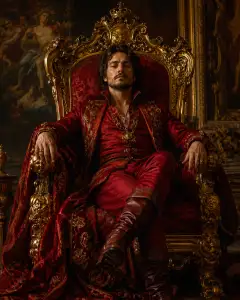
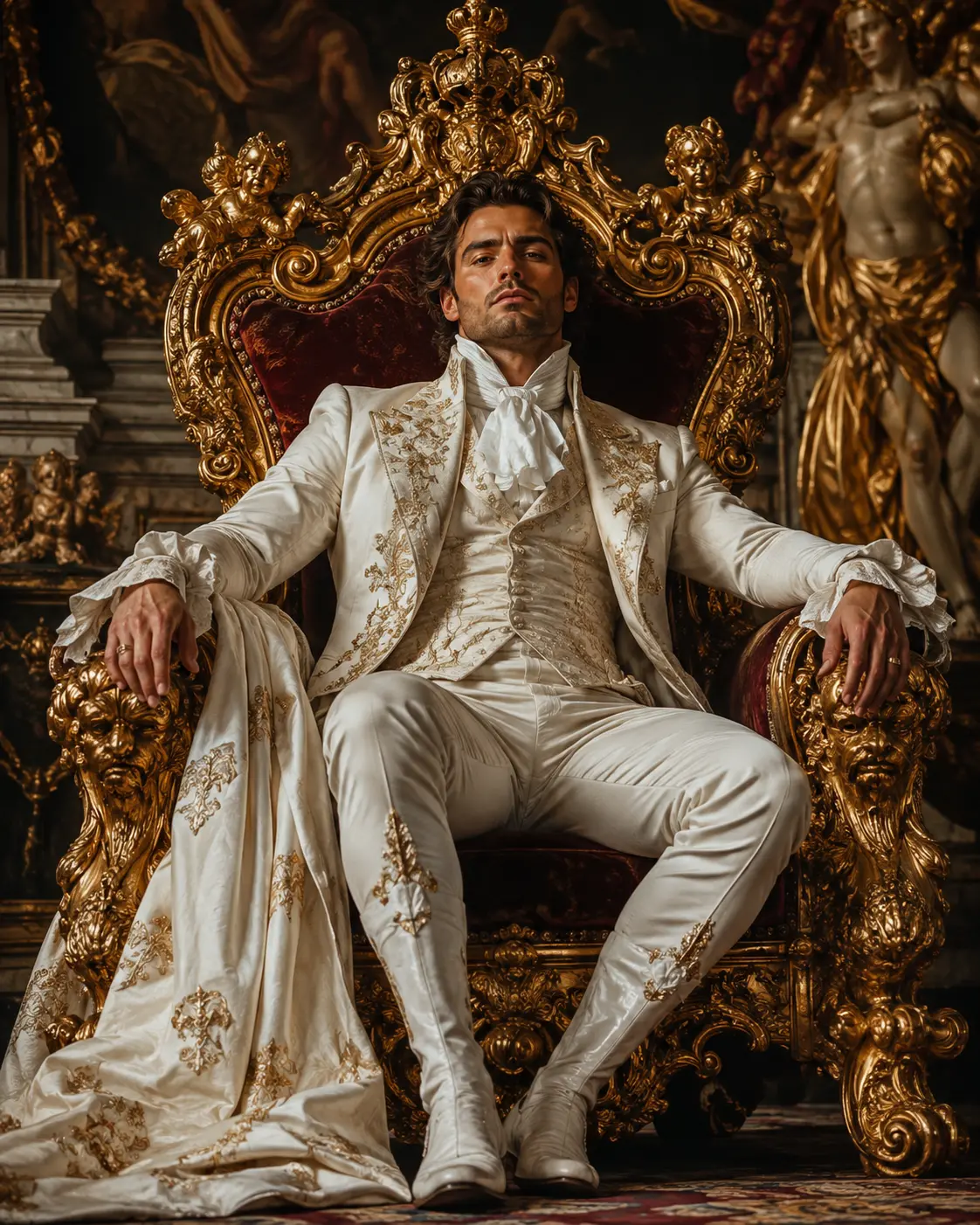
Baroque Royal Male Portrait in Ornate Throne
Copy Prompt
Copy the full prompt text to use it anywhere you like.
Copy was blocked by your browser. Select the prompt text below and copy it manually.
Choose image aspect ratio
Selected:Original keeps the saved wording. Choosing a ratio edits the copied text; also set the output size in your image tool.
Copy was blocked by your browser. Select the prompt text below and copy it manually.
Prompt guide
How to use this AI image prompt
Overview
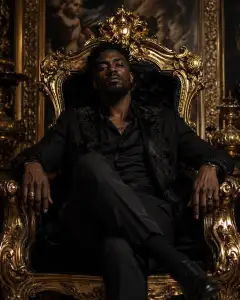
Baroque Royal Male Portrait in Ornate Throne is a detailed AI image prompt for transforming a reference photo into a majestic, full-body royal portrait while preserving the adult male subject’s recognizable identity. It combines classical Baroque grandeur with modern luxury fashion photography, placing the subject on a monumental gold throne in a shadowy palace interior.
The visual direction centers on an ivory-white ceremonial outfit, antique-gold embroidery, burgundy velvet, warm palace lighting, and deep cinematic shadows. A slightly low camera angle, direct gaze, relaxed commanding posture, and symmetrical composition reinforce authority without making the pose feel stiff. Detailed instructions for skin, fabric, metal, hands, and facial features help guide the model toward a polished photorealistic result.
This can be used as a ChatGPT image prompt, Gemini image prompt, or general AI image prompt when the chosen tool supports reference images. It is especially useful for creators seeking a masculine royal portrait, Baroque fashion editorial, cinematic character image, or luxurious social-media artwork.
Best Use Cases
This prompt is well suited to luxury fashion concepts, men’s portrait projects, personal branding, dramatic profile artwork, fictional royal character designs, and editorial-style posters. It can also create an elaborate ceremonial portrait for a themed campaign or a vertical cover where the throne, clothing, and palace environment need to remain visible.
Photographers and retouchers can use it as an AI photo editing prompt to reinterpret an existing portrait without intentionally changing the subject’s ethnicity, age range, grooming, or defining facial structure. Designers can use the result as a visual concept for ivory-and-gold styling, embroidered formalwear, or an old-master-inspired fashion scene.
Because the requested format is vertical 9:16, the composition is particularly appropriate for mobile displays, story layouts, reels covers, and tall promotional artwork. The full-body framing also gives the cloak, boots, lion-head armrests, and throne carvings enough visual importance.
How to Customize This Prompt
Keep the identity-preservation instructions intact when facial resemblance is the priority. Then adjust a limited number of creative details so the model receives a clear hierarchy rather than competing directions.
- Change the outfit emphasis by requesting more visible satin, brocade, lace, or antique-gold embroidery while retaining the ivory royal palette.
- Adjust the pose subtly, such as a more upright posture or a slightly stronger chin angle, without sacrificing natural shoulders, hands, and seated anatomy.
- Increase or reduce palace detail depending on whether the result should feel like a fashion portrait or a broader environmental scene.
- Refine the lighting by asking for softer amber highlights, deeper brown-black shadows, or a more noticeable rim light around the hair and shoulders.
- Adapt the crop to show more of the throne crown, cloak pooling, or marble steps, while preserving the centered vertical composition.
For a Gemini photo prompt, reference-photo clarity matters: choose an image where the face, hairstyle, skin tone, and distinctive characteristics are easy to see. If using the text as a Gemini image prompt or ChatGPT image prompt, retain the instructions that prioritize the eyes, facial structure, and natural skin texture over generic beautification.
Tips for Better Results
Identity accuracy, hand anatomy, and ornate throne geometry are the most demanding parts of this scene. Generate a strong overall composition first, then use supported editing or refinement tools to correct local details rather than repeatedly changing the entire concept.
- Use a clear reference with a visible, unobstructed face and grooming that matches the desired final portrait.
- Keep one adult male subject only; this reduces the risk of duplicate figures or unintended palace attendants.
- Preserve the full-body and slightly low-angle instructions so the boots, seated posture, cloak, and throne remain coherent.
- Check both hands carefully for finger count, natural placement, and believable contact with the lion-head armrests.
- Inspect gold reflections and carved details for broken symmetry, floating ornamentation, or melted throne shapes.
- Avoid pushing sharpness or beauty filtering too far. Visible pores, realistic highlights, and moderate depth of field support a premium photographic appearance.
- If the background competes with the subject, request a more subdued palace and stronger separation around the white clothing.
When adapting this AI photo editing prompt, make one correction at a time. For example, refine facial resemblance before changing embroidery, or repair hands before increasing architectural detail. This makes it easier to identify which instruction improved or weakened the result.
What to Expect
A successful result should show a recognizable male subject seated confidently on an enormous gilded throne, dressed in an elaborate ivory ensemble with a flowing ceremonial cloak. Warm upper-left lighting should create golden facial and fabric highlights, realistic metallic reflections, and dimensional shadows throughout the palace.
Expect the white satin, gold carvings, burgundy velvet, and dark interior to form the strongest color contrast. The overall mood should feel regal, masculine, timeless, cinematic, and editorial rather than theatrical or overly saturated.
Results will vary between models, particularly in facial resemblance, fingers, embroidery, and complex throne ornamentation. Some generations may require targeted revisions or multiple attempts. The prompt’s detailed negative guidance should reduce common problems, but careful review remains important for achieving a convincing photorealistic Baroque royal portrait.