





























Prompt Detail
Emotional Multigenerational Portrait Ai Image Prompt
Copy Prompt
Copy the full prompt text to use it anywhere you like.
Copy was blocked by your browser. Select the prompt text below and copy it manually.
Choose image aspect ratio
Selected:Original keeps the saved wording. Choosing a ratio edits the copied text; also set the output size in your image tool.
Copy was blocked by your browser. Select the prompt text below and copy it manually.
Prompt guide
How to use this AI image prompt
Overview
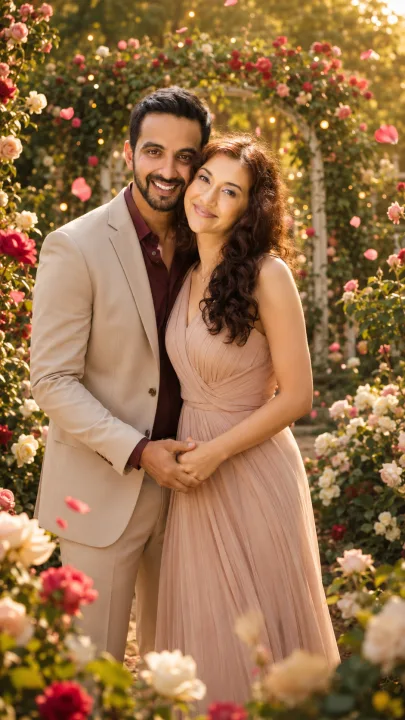
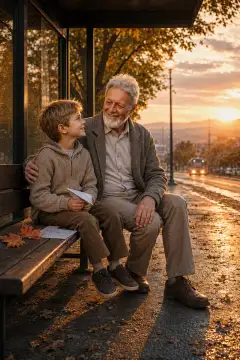
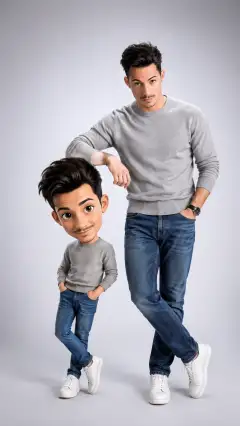
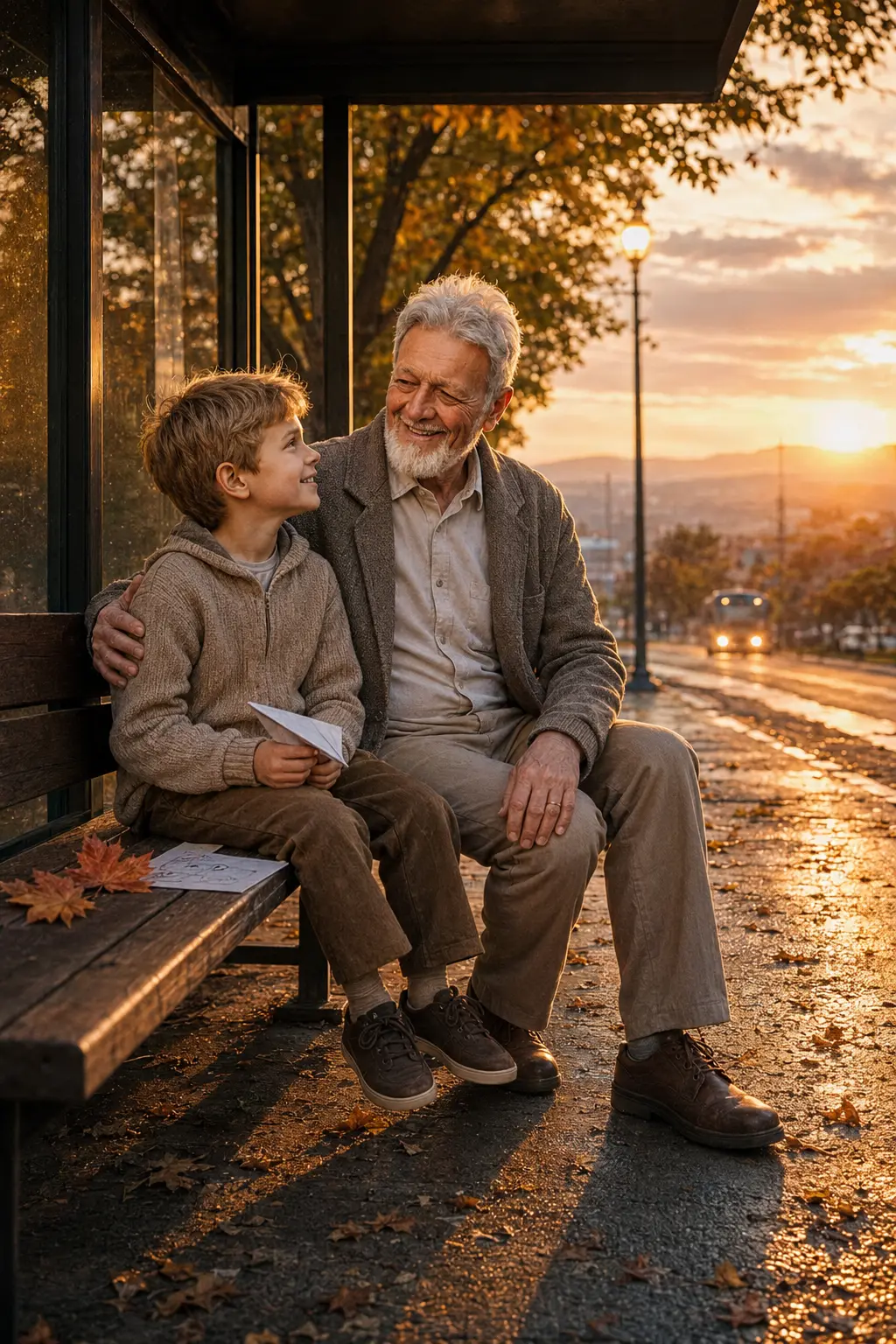
The Emotional Multigenerational Portrait AI Image Prompt creates a cinematic scene in which a person meets and comforts a believable childhood version of themselves at a quiet bus stop. Warm sunset lighting, a glowing streetlamp, damp pavement, distant scenery, and a softly approaching bus give the portrait a nostalgic movie-still atmosphere.
This reference-based AI image prompt is built around identity preservation. The uploaded portrait should guide the present-day face as well as the younger version’s core features, including face shape, complexion, eyes, and hairstyle characteristics. The goal is not to produce a generic adult and child, but two age-appropriate versions of one recognizable person.
Emotional storytelling is communicated through restrained expressions, natural physical contact, and small symbolic details rather than visible text. The result should suggest reassurance, survival, growth, and self-acceptance while remaining family-friendly and gender-neutral. It works as a ChatGPT image prompt, Gemini image prompt, or detailed creative brief for another reference-capable image model.
Best Use Cases
This prompt is ideal for personal healing artwork, milestone reflections, birthday posts, life-story projects, therapy-inspired visual journaling, and meaningful social media content. It can also support a poster, book cover, short-film concept, or vertical mobile wallpaper centered on personal growth.
Photographers and digital creators can use it to explore an emotional portrait idea before arranging a real production. As a Gemini photo prompt or AI photo editing prompt, it is especially useful when a clear portrait is available and the intended result needs a strong narrative setting rather than a basic background replacement.
The concept suits adults and teenagers who want to visualize a compassionate meeting with their younger selves. Its neutral wardrobe and adaptable body language also make it practical for a wide range of identities and apparent ages without forcing gendered styling.
How to Customize This Prompt
Keep the central identity and bus-stop story intact, but personalize a few controlled details so the image feels connected to the subject’s history.
- Choose one childhood prop, such as a paper airplane, school bag, toy, book, flower, or handmade drawing. One meaningful object is usually stronger than several competing accessories.
- Select a specific interaction: holding hands, touching the child’s shoulder, sharing an old photograph, or simply exchanging a reassuring look.
- Adjust the clothing palette using cream, muted green, navy, burgundy, charcoal, beige, or brown. Coordinated colors can visually link the two ages without giving them identical outfits.
- Decide whether the setting should include distant hills or hazy city buildings. Hills create a quieter, timeless mood, while buildings suggest a personal journey through modern life.
- Refine the emotional intensity. Request glassy eyes or one subtle tear for deeper emotion, or choose gentle smiles for a warmer and more hopeful result.
- Preserve the requested 9:16 composition when creating a cinematic portrait for Stories, Reels, posters, or phone screens.
Tips for Better Results
Reference quality strongly affects face consistency. Use a clear, well-lit image with the face unobstructed and enough resolution to show eye shape, skin tone, facial proportions, and hair details.
- Tell the model to treat the uploaded photo as the only identity reference. Avoid adding celebrity names or unrelated appearance descriptions that could pull the face away from the subject.
- Ask for sharp focus on both faces. Shallow depth of field should soften the road and distant bus, not blur either version of the person.
- Keep hand contact simple and visible. A hand resting on a shoulder is often easier to render convincingly than intertwined fingers.
- Generate several variations before making major prompt changes. Reference-based age transformation can differ between models, especially when creating a childhood face from an adult portrait.
- Check the younger version carefully for matching eye shape, complexion, face structure, and hair characteristics. Also confirm childlike proportions, natural clothing, and age-appropriate behavior.
- Review anatomy, finger count, seated posture, scale difference, facial duplication, text, logos, and watermarks. If needed, revise only the affected area rather than changing the complete composition.
For a Gemini image prompt or Gemini photo prompt, attach the portrait in the same request and emphasize exact identity preservation near the beginning. When using a ChatGPT image prompt workflow, keep instructions about expression, interaction, camera framing, and exclusions clearly separated. No model can guarantee identical output, so iterative selection and focused corrections are normal.
What to Expect
A successful result should resemble a premium emotional-drama film frame. Both versions of the subject will sit close together on a bus-stop bench, connected by sunset light, believable expressions, and understated body language. The younger self should appear hopeful and trusting, while the present-day person conveys pride, relief, tenderness, and reflection.
Expect warm highlights around the child, slightly cooler shadows around the older version, realistic clothing textures, subtle film grain, and atmospheric depth. Symbolic elements such as joined shadows, a faded ticket, fallen leaves, or a distant bus should remain secondary to the faces.
Results will vary according to the model’s reference-image and age-transformation abilities. This cinematic portrait prompt provides strong direction, but the best final image may require multiple generations or small edits to hands, facial resemblance, and emotional balance.