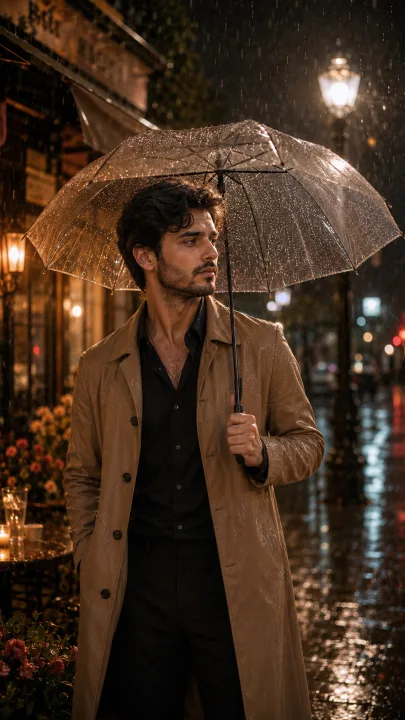
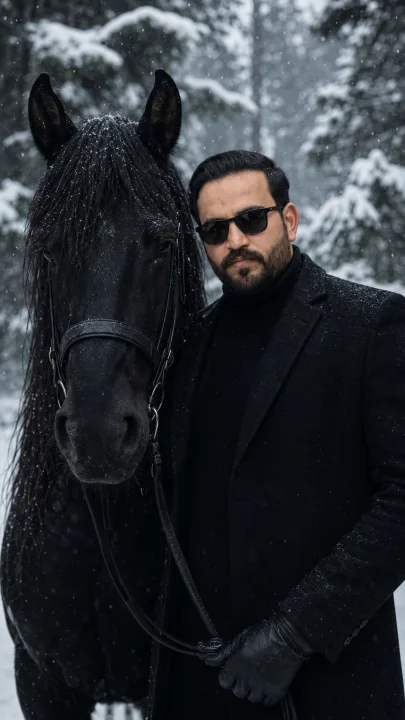
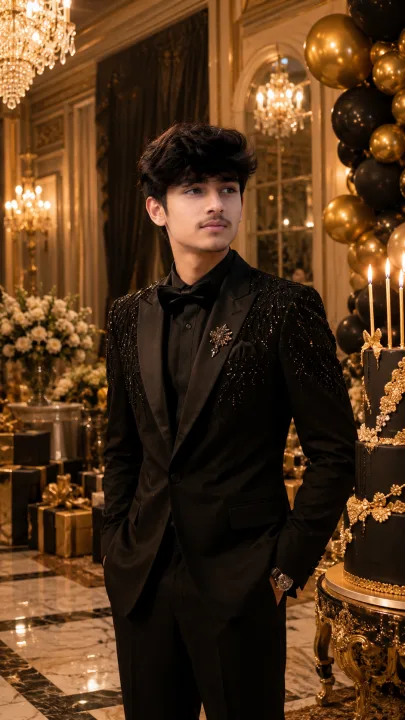































Prompt Detail
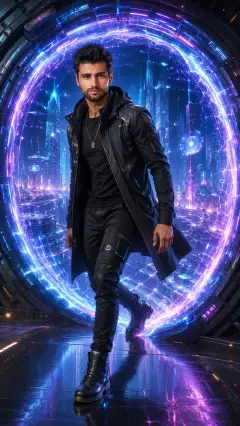
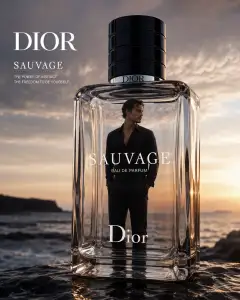
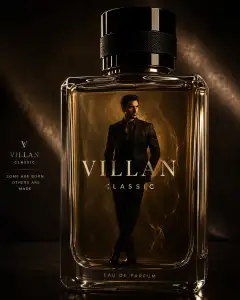
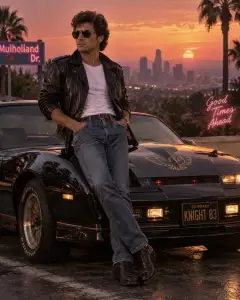
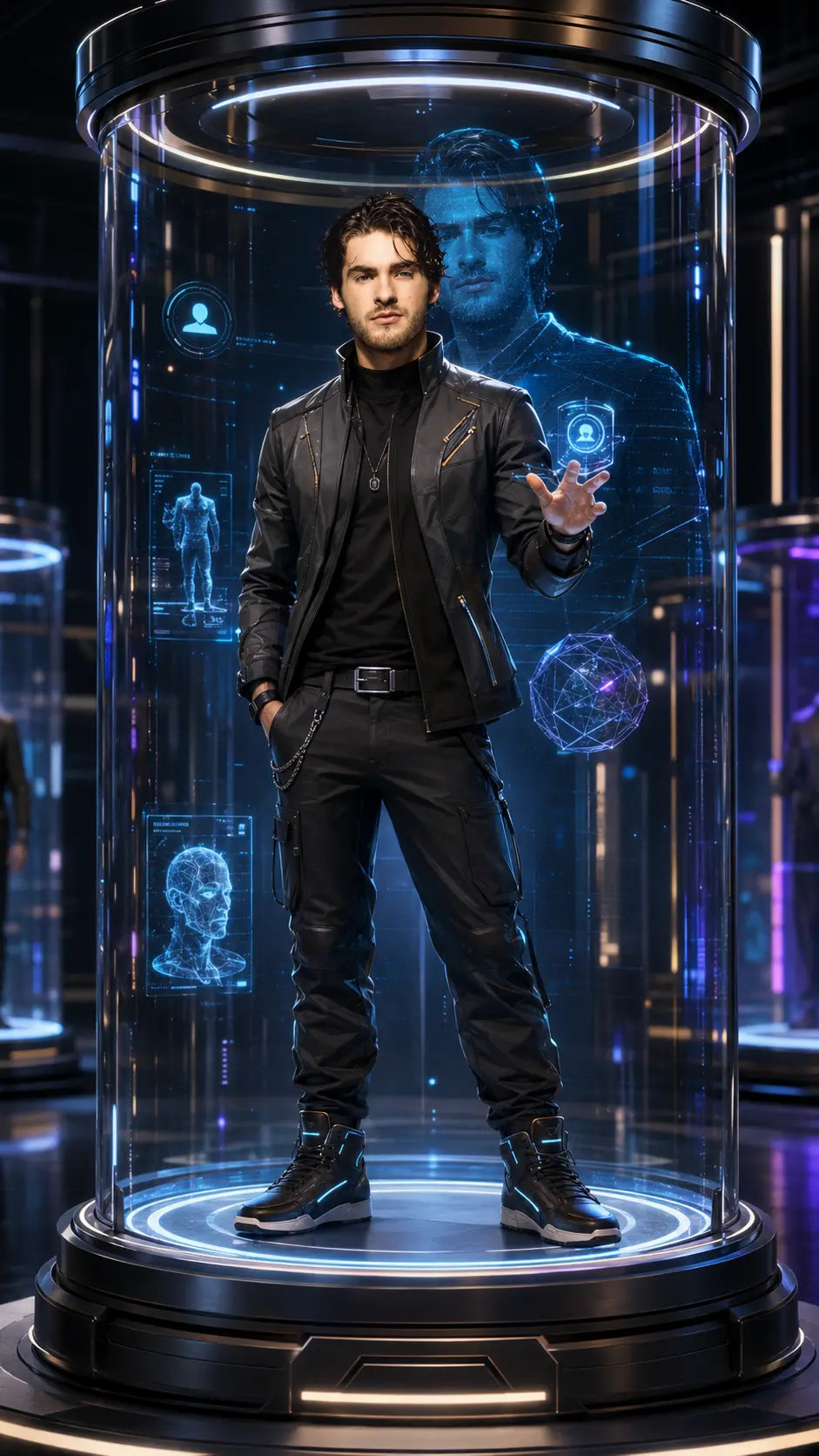
Futuristic 3D Collectible Digital Avatar in High-Tech Display Capsule
Copy Prompt
Copy the full prompt text to use it anywhere you like.
Copy was blocked by your browser. Select the prompt text below and copy it manually.
Choose image aspect ratio
Selected:Original keeps the saved wording. Choosing a ratio edits the copied text; also set the output size in your image tool.
Copy was blocked by your browser. Select the prompt text below and copy it manually.
Prompt guide
How to use this AI image prompt
Overview
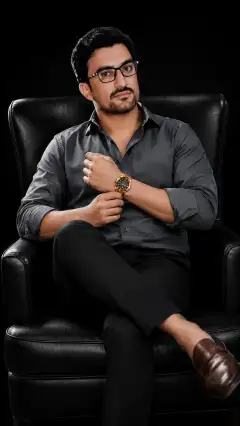
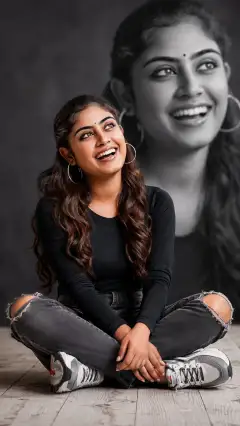
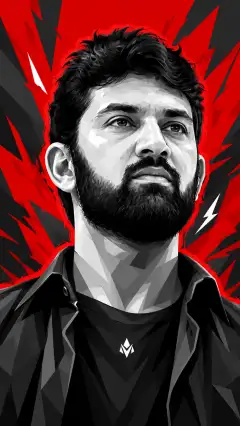
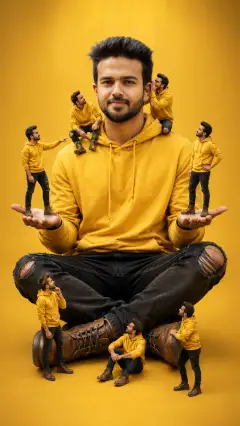
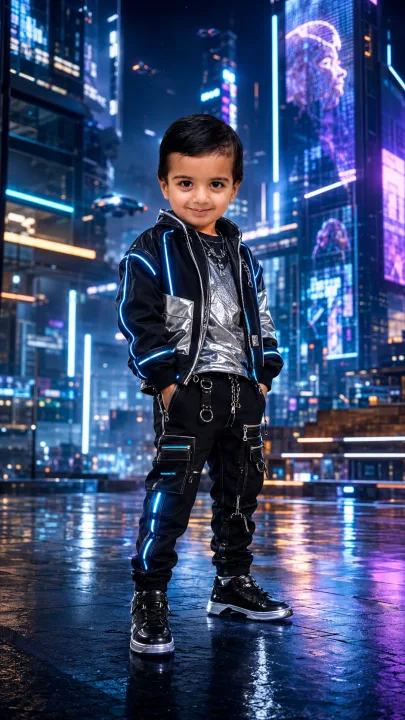
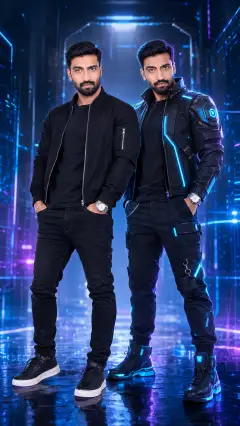
Futuristic 3D Collectible Digital Avatar in High-Tech Display Capsule is a reference-based AI image prompt designed to transform a personal portrait into a premium semi-realistic character display. The concept places the subject inside a transparent glass capsule with a glowing platform, metallic framing, holographic controls, and cinematic gallery lighting. It combines recognizable portrait details with the polished finish of a luxury 3D collectible advertisement.
This prompt is especially useful when facial identity matters. It directs the model to preserve the subject’s face shape, skin tone, age, hairstyle, and distinctive features rather than producing a generic science-fiction hero. The styling remains futuristic but avoids heavy armor, copied franchises, branded packaging, and recognizable commercial characters.
You can use it as a ChatGPT image prompt, Gemini image prompt, or detailed AI image prompt when the model supports an uploaded reference photo. It also works as a Gemini photo prompt for creating vertical social content from a clear portrait. The requested 9:16 composition provides room for the full capsule, platform, holographic projection, and surrounding technology gallery.
Best Use Cases
This concept suits creators who want a distinctive profile visual, vertical poster, personal branding asset, or shareable social-media portrait. It can present a person as a digital identity, fantasy collectible, technology ambassador, or original science-fiction character without relying on an existing entertainment property.
Men and boys can use the prompt for a confident futuristic portrait with stylish technical clothing, while designers can adapt the same structure for broader personal-avatar projects. It is also valuable for campaign mockups, creator announcements, gaming-style profile art, birthday visuals, and digital collectible concepts.
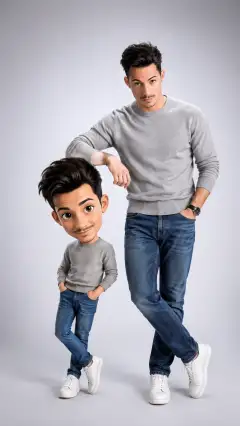
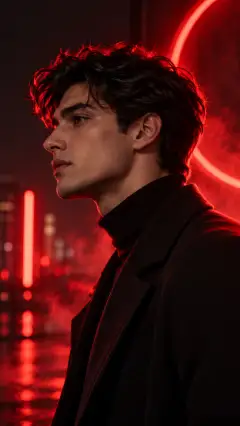
As an AI photo editing prompt, it is best understood as a major creative transformation rather than a simple retouch. The source portrait supplies the identity, while the generated result introduces a new body pose, outfit, capsule environment, and holographic presentation.
How to Customize This Prompt
Begin with a sharp, well-lit reference in which the face, hairline, and skin tone are easy to see. Then adjust selected creative details while keeping the identity instructions intact.
- Choose blue and cyan accents for a clean technology aesthetic, purple for a more fantastical mood, or warm gold for a luxury collector-series look.
- Replace the tailored jacket with a high-neck top, layered technical clothing, modern trousers, or sleek footwear that suits the person’s usual style.
- Select direct eye contact for a bold profile image or slightly angled eye contact for a cinematic poster.
- Make the holographic profile scan subtle for a realistic portrait, or more visible when digital identity is central to the concept.
- Adjust the gallery atmosphere with stronger symmetry, softer haze, darker flooring, or more distant blurred capsules.
- Keep fictional series markings abstract and minimal. Avoid requesting existing logos, game characters, superheroes, or toy packaging.
For closer framing, ask for a capsule portrait that emphasizes the upper body while retaining the illuminated base. For the intended full-body result, preserve the vertical 9:16 ratio and leave visual space above and below the figure.
Tips for Better Results
Identity preservation depends heavily on reference quality and model capability. A front-facing or gently angled photo with a neutral expression usually gives the model more reliable information than a distant, filtered, or shadowed image.
- Upload one clear primary photo whenever the tool expects a single identity reference.
- Avoid sunglasses, face-covering hair, extreme beauty filters, and strong colored lighting if accurate facial features are important.
- Generate the complete composition first, then refine the face, hands, glass, or clothing in separate passes if editing tools are available.
- Check that both feet meet the circular platform and that the figure does not float or intersect with the capsule.
- Inspect visible hands for five natural fingers, believable joints, and clean separation from holographic controls.
- Reduce neon intensity if colored light changes the skin tone or obscures facial detail.
- Keep interface graphics secondary and away from the eyes, mouth, hands, and important outfit details.
- If the glass looks warped, request controlled reflections, believable thickness, accurate refraction, and a clearly defined capsule edge.
Different tools may interpret a complex Gemini image prompt or ChatGPT image prompt differently. If the scene becomes cluttered, simplify the holographic icons before removing identity, anatomy, or lighting instructions. For softer realism, emphasize natural skin shading and individual hair strands; for a stronger collectible style, increase material polish without enlarging the head or making the skin look plastic.
What to Expect
The expected result is a polished full-body 3D avatar standing inside a luxury transparent display chamber. The subject should remain recognizable while gaining the refined proportions, materials, and visual finish associated with a high-end digital figurine. Likely focal points include the face, tailored futuristic outfit, illuminated platform, and floating profile projection.
Strong outputs should show realistic skin and eyes, detailed hair, grounded feet, clean glass reflections, restrained holograms, and cinematic depth. The dark studio background and blurred capsules should support the main figure rather than compete with it.
Results will vary by model, reference image, and generation settings. Some tools may need additional attempts to correct fingers, facial resemblance, reflections, or small interface artifacts. When those elements are handled well, this futuristic 3D avatar prompt can produce an effective vertical poster, profile visual, collectible concept, or premium character-campaign image.